

Voice Leading: The Science behind a Musical Art
Product details
| Management number | 232044315 | Release Date | 2026/06/18 | List Price | US$10.00 | Model Number | 232044315 | ||
|---|---|---|---|---|---|---|---|---|---|
| Category | |||||||||
An accessible scientific explanation for the traditional rules of voice leading, including an account of why listeners find some musical textures more pleasing than others.Voice leading is the musical art of combining sounds over time. In this book, David Huron offers an accessible account of the cognitive and perceptual foundations for this practice. Drawing on decades of scientific research, including his own award-winning work, Huron offers explanations for many practices and phenomena, including the perceptual dominance of the highest voice, chordal-tone doubling, direct octaves, embellishing tones, and the musical feeling of sounds “leading” somewhere. Huron shows how traditional rules of voice leading align almost perfectly with modern scientific accounts of auditory perception. He also reviews pertinent research establishing the role of learning and enculturation in auditory and musical perception.Voice leading has long been taught with reference to Baroque chorale-style part-writing, yet there exist many more musical styles and practices. The traditional emphasis on Baroque part-writing understandably leaves many musicians wondering why they are taught such an archaic and narrow practice in an age of stylistic diversity. Huron explains how and why Baroque voice leading continues to warrant its central pedagogical status. Expanding beyond choral-style writing, Huron shows how established perceptual principles can be used to compose, analyze, and critically understand any kind of acoustical texture from tune-and-accompaniment songs and symphonic orchestration to jazz combo arranging and abstract electroacoustic music. Finally, he offers a psychological explanation for why certain kinds of musical textures are more likely to be experienced by listeners as pleasing. Read more
| ASIN | B08BT17M4S |
|---|---|
| XRay | Not Enabled |
| ISBN13 | 978-0262335454 |
| Language | English |
| File size | 3.9 MB |
| Page Flip | Enabled |
| Publisher | The MIT Press |
| Word Wise | Enabled |
| Print length | 379 pages |
| Accessibility | Learn more |
| Screen Reader | Supported |
| Publication date | August 26, 2016 |
| Enhanced typesetting | Enabled |
Bestseller ranking
Corrosion & Rust Inhibitors


Customers who viewed this product also viewed
Hand Files


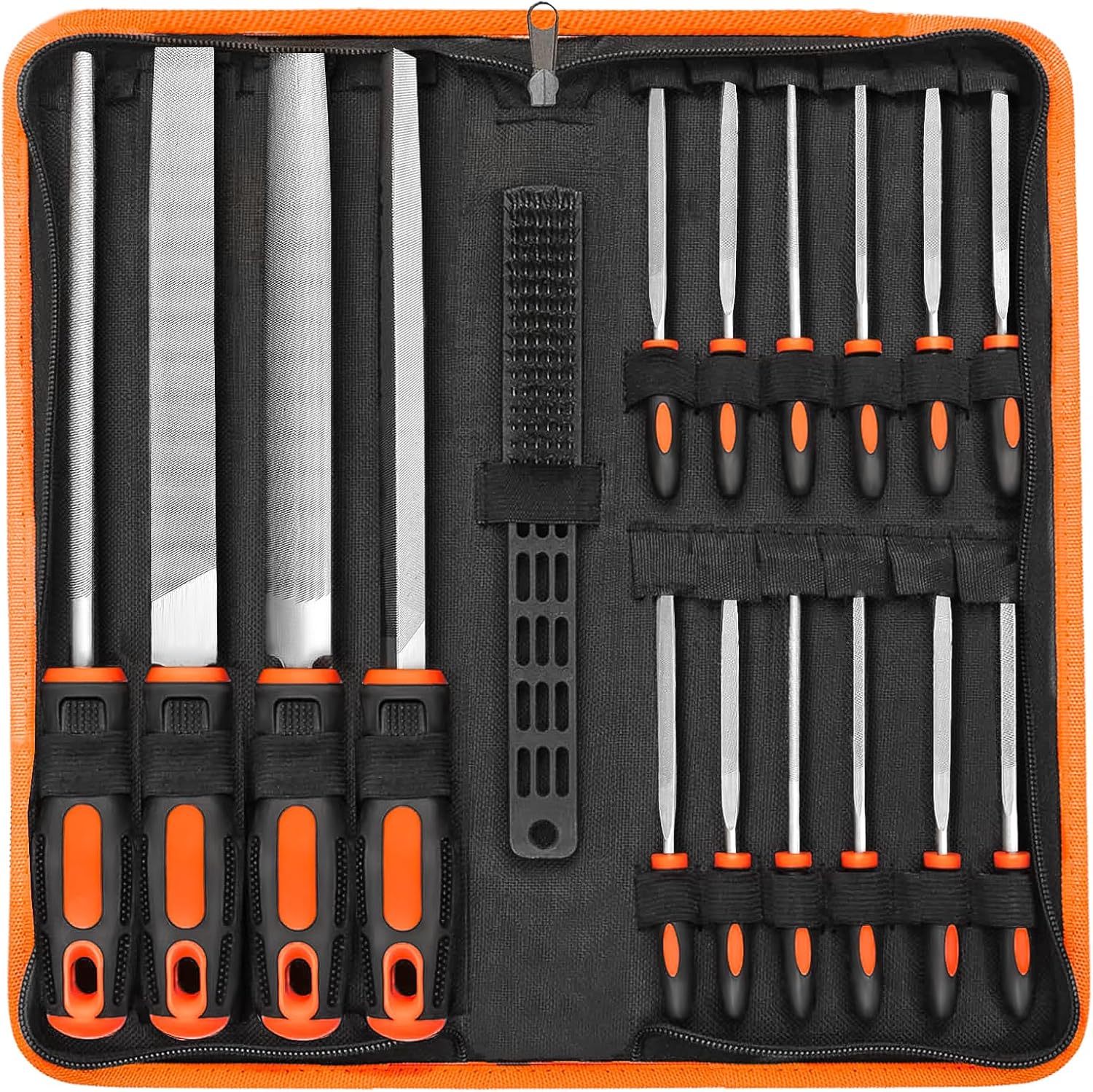


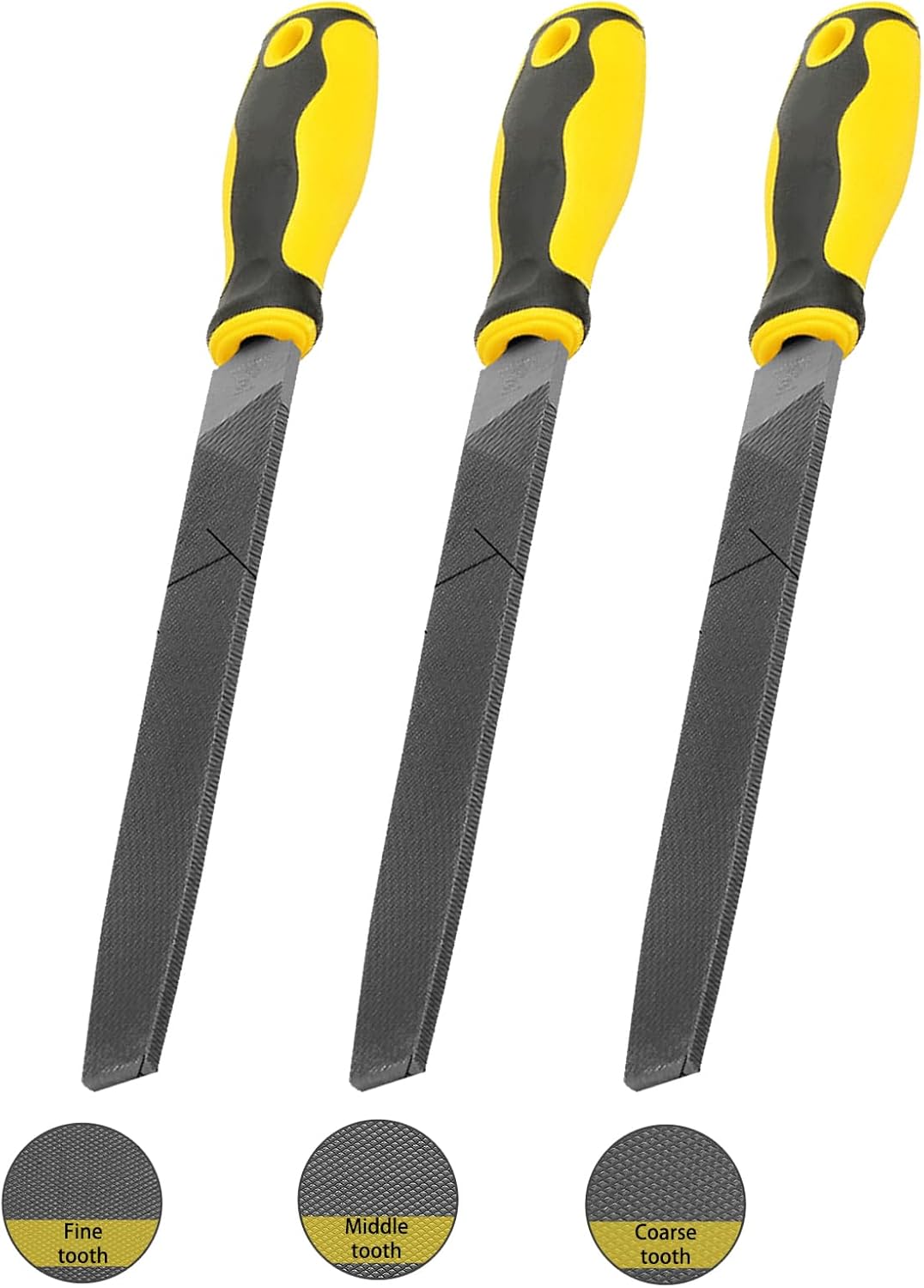
Correction of product information
If you notice any omissions or errors in the product information on this page, please use the correction request form below.
Correction Request Form